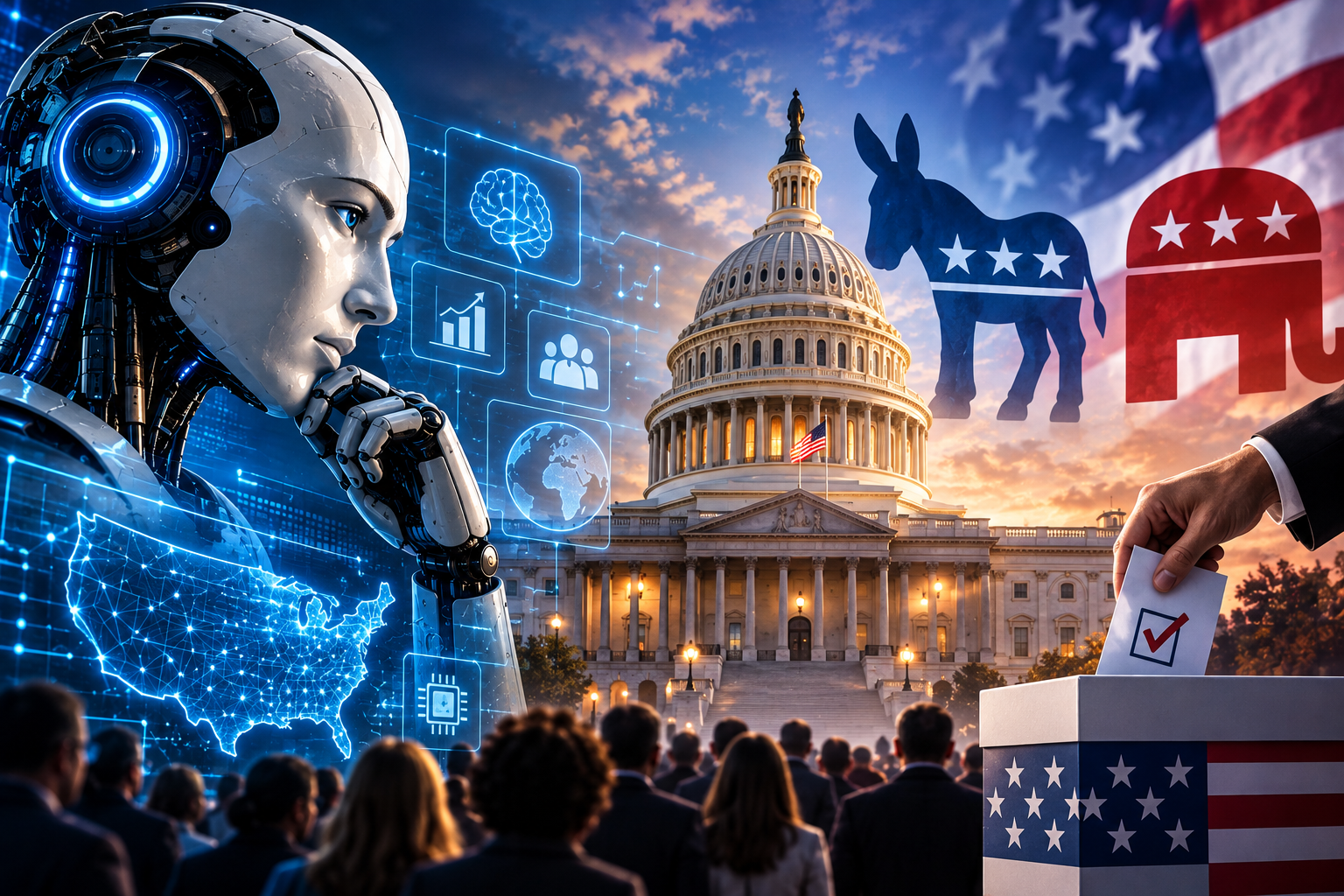
Artificial intelligence is quickly becoming more than a technology issue in the United States. As the 2026 midterm elections approach, AI is emerging as an important political topic that could influence voters, campaign strategies, government policy and even the future of American democracy.
Candidates from both major political parties are increasingly talking about artificial intelligence, particularly its impact on jobs, the economy, national security and data centers. A Washington Post analysis found that hundreds of House, Senate and gubernatorial candidates have taken positions on AI-related policies, making the technology an issue in nearly 40% of races across the country.
One of the biggest concerns is the use of AI-generated political content. Modern AI tools can create realistic videos, photographs and voices that make it possible to place politicians in situations that never happened. These so-called deepfakes can be used in campaign advertising and social media posts, making it increasingly difficult for voters to quickly determine what is real.
The problem is already appearing during the 2026 election cycle. AI-generated political advertisements have become increasingly common, including campaign material that uses fabricated video of political opponents. Experts warn that even when people know a video is fake, repeated exposure to AI-generated content can reduce confidence in political information overall.
States are responding in different ways. According to the National Conference of State Legislatures, dozens of states have enacted laws addressing AI-generated election content. Some laws require political campaigns to disclose when AI has been used, while others restrict deceptive deepfakes during specific periods before elections.
AI is also becoming a political issue because of its effect on jobs. Supporters say the technology could increase productivity, create new industries and help businesses grow. Critics worry that automation could replace workers in areas such as customer service, administration, media and other industries.
Data centers are another growing concern. Powerful AI systems require enormous computing infrastructure and large amounts of electricity. Communities are therefore debating whether new data centers should be built, how much energy they should use and who should pay for the infrastructure needed to support them.
The political influence of the AI industry is growing as well. Companies and investors connected to artificial intelligence have become major sources of campaign spending during the 2026 midterms. Reuters reported that AI companies and their executives are using political groups and super PACs to support candidates and influence debates over future technology regulations.
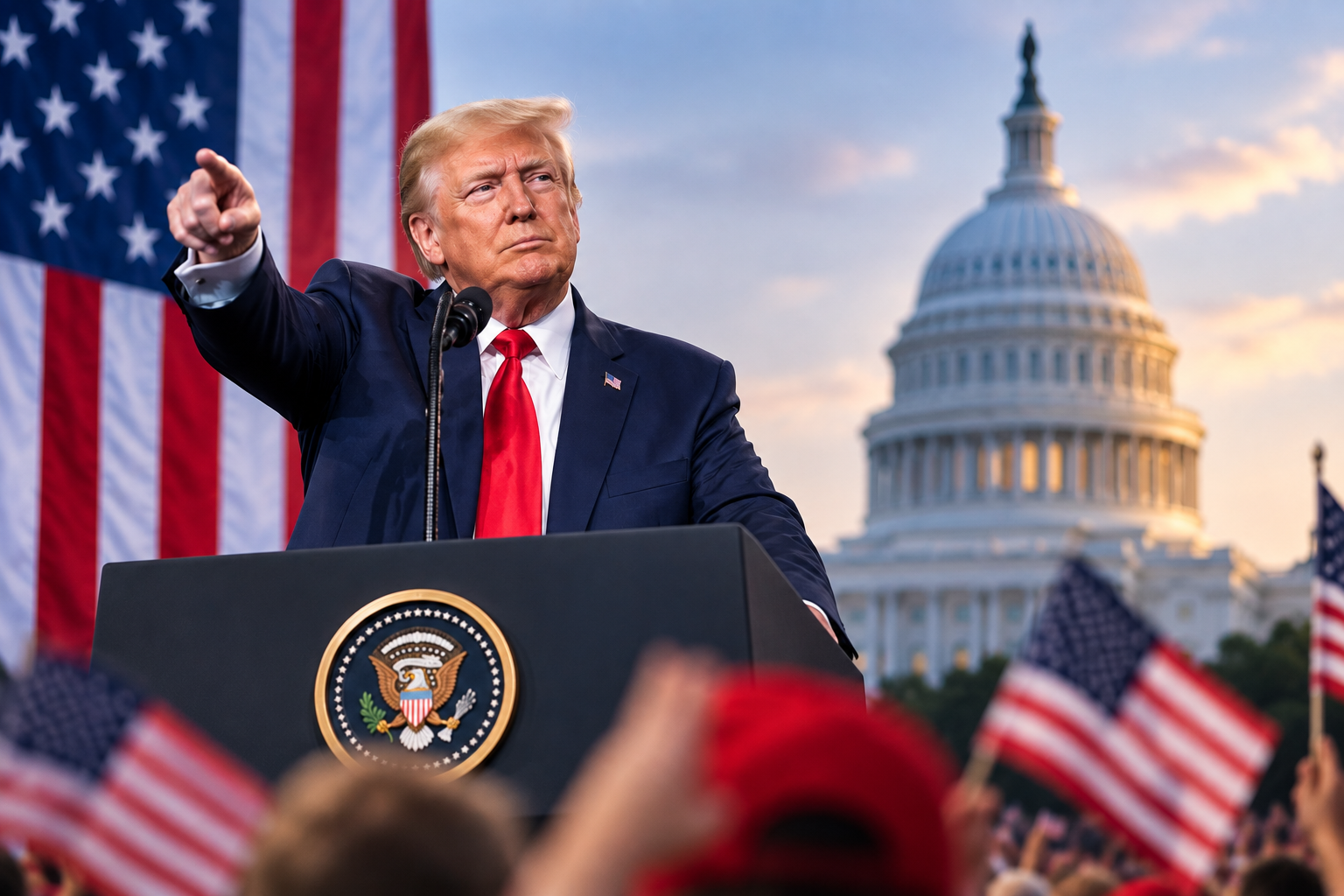
At the federal level, the Trump administration has already presented a national AI legislative framework focused on maintaining U.S. leadership in artificial intelligence while addressing issues involving public trust, economic competitiveness and national security.
At the same time, lawmakers are facing pressure to introduce stronger safety rules. OpenAI has called for mandatory national AI safety requirements, while researchers and other technology leaders have warned that increasingly powerful AI systems could create serious security risks if they are not properly controlled.
The political debate is therefore becoming much broader than simply whether America should regulate AI. It now includes questions about free speech, election integrity, employment, national security, corporate power and America’s position in the global technology race.
As AI continues to develop, politicians will have to decide how quickly government should respond. The choices made during the current election cycle could influence technology policy for years to come.
For voters, the growing role of AI means understanding not only what the technology can do, but also how politicians plan to control, regulate and use it. The 2026 elections may become an important turning point in determining America’s approach to artificial intelligence.





 Entertainment2 months ago
 Tech2 months ago

 Entertainment2 months ago
 Politics2 months ago

 Sports2 months ago

 Fashion2 months ago

 Entertainment1 month ago
You must be logged in to post a comment Login